Indigenous Art in Contemporary Canada: Visibility, Voice, and Institution
By James Whitmore · · 8 min read
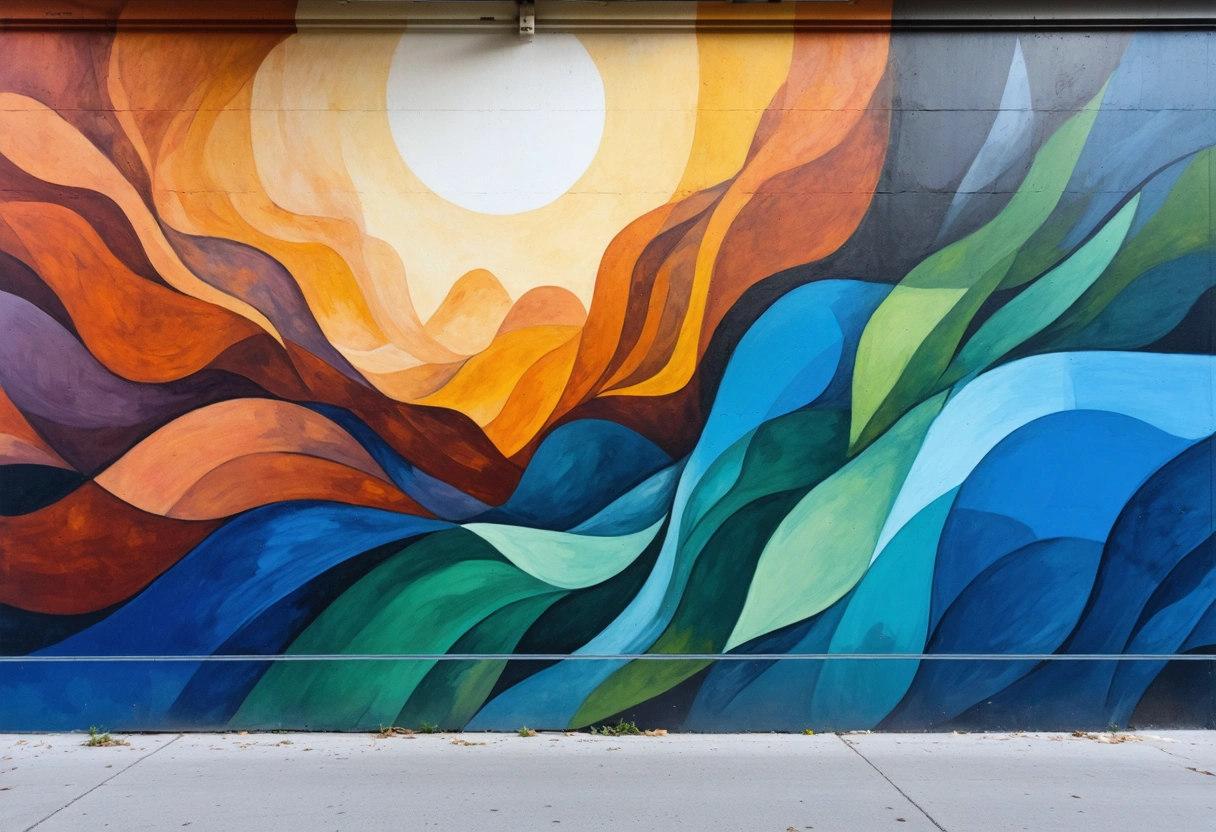
Indigenous art in Canada is not a single tradition, a single aesthetic, or a single cultural moment. It is a vast and internally diverse field that is currently experiencing one of its most visible and contested periods.
Why This Moment Is Different
Canada's relationship with its Indigenous artistic traditions has been marked by a recurring pattern: periods of institutional interest followed by periods of neglect, appreciation without adequate compensation, appropriation without acknowledgement, and intermittent bursts of policy commitment that have rarely translated into sustained structural change.
The current period has some features that distinguish it from previous cycles. The Truth and Reconciliation Commission's Calls to Action, issued in 2015, created a framework that has gradually worked its way into the operating assumptions of major cultural institutions. The result is not transformation — institutional change is slow, and critics of the pace have legitimate grounds for frustration — but it is movement. Major galleries, museums, and arts funding bodies have been examining their collections, their hiring practices, and their programming with a more honest eye than was typical a decade ago.
At the same time, a generation of Indigenous artists has emerged who are not waiting for institutional validation. They are building platforms, audiences, and cultural infrastructure on their own terms — using social media, independent publishing, self-organised festivals, and direct relationships with international collectors and institutions.
The Range of Contemporary Practice
It is impossible to summarise Indigenous art in Canada without immediately acknowledging its extraordinary diversity. Canada is home to more than 630 First Nations communities, speaking over 70 distinct Indigenous languages, with artistic traditions that vary dramatically between regions, nations, and individual practitioners.
Contemporary Indigenous art in Canada spans painting, sculpture, printmaking, installation, video, performance, textile art, beadwork, and digital media. It includes work that draws explicitly on traditional forms and iconography, work that engages critically with those traditions, work that addresses current social and political realities, and work that operates in registers of pure aesthetic experimentation.
According to data from the Canada Council for the Arts, investment in Indigenous arts and artists has grown over the past five years, though advocates note that the figures remain disproportionate relative to the scale of the sector and the historical deficit of support.
What connects much of the most prominent current work is a refusal to be understood only through the lens of cultural documentation. Indigenous artists working in Canada today are making art — not artefact. The distinction matters.
Institutional Reckoning
The major national art museums — the National Gallery of Canada, the Art Gallery of Ontario, the Vancouver Art Gallery — have each undertaken significant processes of collection review and programming realignment over the past several years.
The National Gallery, in particular, drew substantial attention with its work on the repatriation of items acquired through questionable processes, and with programming decisions that brought Indigenous curators and artists into more central roles. Similar processes have been underway at provincial and municipal galleries across the country.
Critics of these processes point out, legitimately, that institutional change has often been slow, superficial, or framed around the interests of the institutions themselves rather than the communities whose artistic heritage is at stake. Repatriation discussions, in particular, have been characterised by lengthy timelines that do not reflect the urgency felt by the communities involved.
The more significant cultural development may not be in the mainstream institutions at all, but in the growth of independent Indigenous-controlled cultural organisations.
imagineNATIVE, which focuses on Indigenous film and media arts, has been one model. The Animikiins Indigenous Curatorial Residency, the Grunt Gallery's Indigenous programming, and a growing number of community-based arts organisations across the country represent a parallel infrastructure developing outside the dominant institutional framework.
Artists Shaping the Conversation
Among the artists currently receiving significant attention in Canadian and international contexts, a number of recurring concerns emerge.
Land — its use, its meaning, the ongoing negotiations over who controls it — appears in work across regions and media. For artists from communities engaged in land-claim processes or resource-rights disputes, the relationship between art and political reality is neither abstract nor decorative. It is immediate.
Language preservation and transmission is another recurring concern. Several prominent artists have centred their practice on works that incorporate Indigenous language — whether as visual element, as audio component, or as structural principle — in ways that treat language not as decoration but as the substance of the work itself.
Family and intergenerational transmission — the ways in which knowledge, trauma, and resilience move through generations — is a persistent theme, one that has taken on additional resonance following the work of the Truth and Reconciliation Commission and the ongoing process of engagement with residential school histories.
International Reception and Its Complications
Canadian Indigenous art has received significant international attention in recent years. Major international biennales, including Venice, have featured prominent Indigenous Canadian artists. International collectors have shown growing interest. International institutions have mounted dedicated exhibitions.
This international reception is, like most forms of recognition, complicated. It creates genuine opportunities — access to resources, audiences, and networks that can support artists and their work. But it also creates pressures: toward legibility to international audiences unfamiliar with specific cultural contexts, toward certain aesthetic modes that travel more easily than others, and toward a kind of representation that can reduce the complexity of individual practice to cultural signifier.
The artists best navigating this landscape are those with a clear sense of their own practice and its relationship — or non-relationship — to the demands of international presentation. This clarity, where it exists, tends to produce the most compelling work.
What Comes Next
There is no single trajectory for Indigenous art in Canada. What is visible now is a sector with more resources than it has historically had access to, more institutional attention than in previous decades, and a generation of practitioners with both formal training and deep roots in their own cultural traditions.
Whether that combination produces a sustained transformation in how Canada understands and supports its Indigenous artistic heritage — or whether the current moment of attention fades as previous moments of attention have faded — depends on decisions being made right now by institutions, governments, and communities.
The artists themselves are continuing to make work regardless. That has always been true. What is different now is the scale and visibility of that work, and the growing sense, within and beyond the sector, that it deserves to be seen.
EstateVodka covers culture, arts, and everyday life across Canada.
Content on EstateVodka may include sponsored material. See our Disclaimer and Privacy Policy. This content is for general informational purposes only and does not constitute professional advice.