Six Smart Home Technologies That Are Actually Worth It in Canada
By Alex Thornton · · 7 min read
The smart home product market has grown faster than the evidence for most of its products. These six categories have earned their place in Canadian homes.
The promise of smart home technology has consistently outrun its practical reality. For every genuinely useful device, there are several that solve problems nobody had, require maintenance they don't justify, or create privacy and reliability concerns that outweigh their convenience. This guide focuses on the categories that have demonstrated consistent value specifically in Canadian conditions — accounting for the country's climate, energy pricing, and the particular demands of Canadian winters.
1. Smart Thermostats
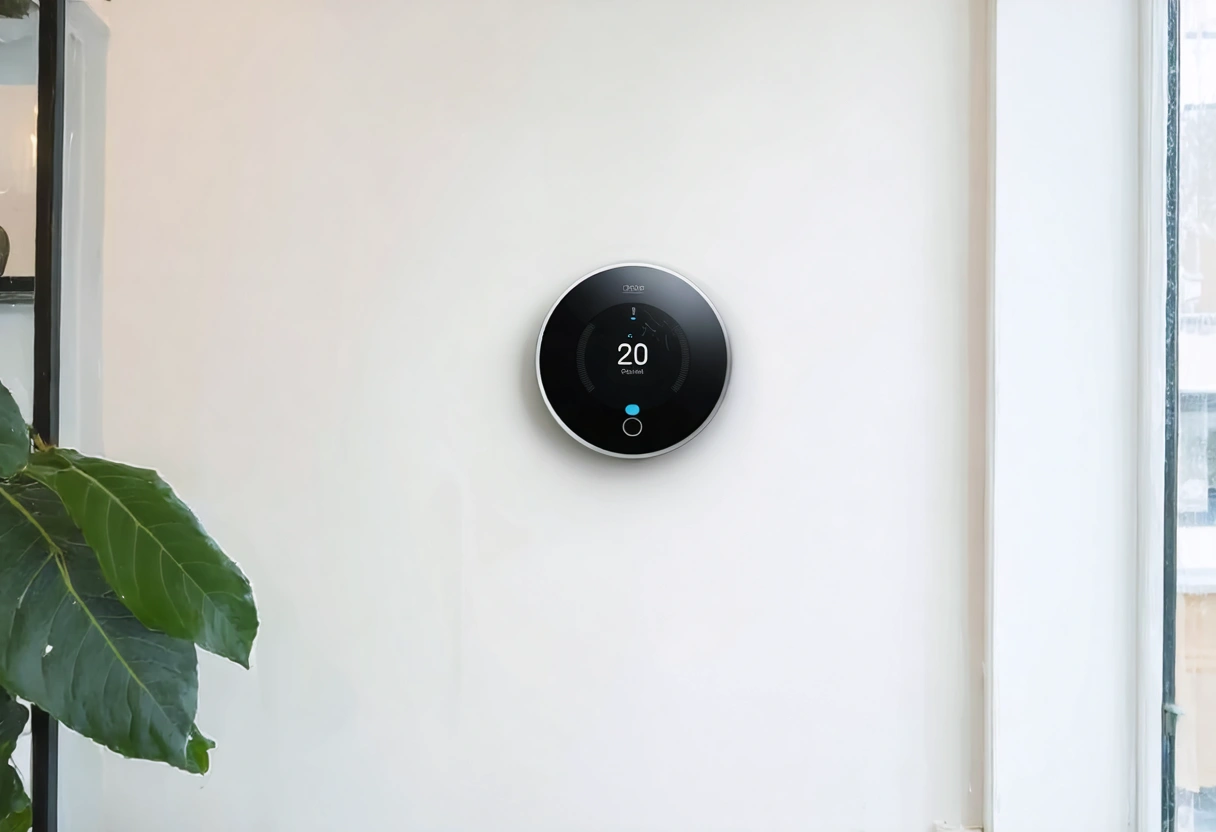
In Canada, where heating costs constitute a significant portion of household energy expenditure, a well-programmed smart thermostat may be the highest-return smart home investment available. The combination of automated scheduling, remote control, and learning algorithms can reduce heating costs meaningfully — industry estimates, supported by independent testing, suggest savings of between 10 and 25 per cent on heating bills for households replacing manual or basic programmable thermostats.
The key features worth paying for are geofencing (which adjusts temperature automatically based on whether residents are home), integration with local weather forecasts (which some models use to pre-heat or pre-cool more efficiently), and compatibility with Canada's standard HVAC systems — some smart thermostats are designed for American systems that use C-wire power configurations that differ from some Canadian installations.
Leading models are available from major Canadian retailers; before purchasing, confirm compatibility with your specific heating system, particularly if you have a heat pump, hydronic system, or electric baseboard heating.
2. Smart Lighting
The value proposition for smart lighting is more context-dependent than for thermostats. For households that regularly forget to turn lights off, or that want to automate lighting for security purposes when travelling, smart bulbs or smart switches offer genuine convenience. For households with disciplined lighting habits, the case is weaker.
The most practical approach is to start with smart switches rather than smart bulbs — a switch controls every bulb connected to it, providing whole-room control without requiring every bulb to be replaced. Integration with a smart home hub (or, more practically, with a voice assistant) allows lighting control by voice or schedule.
One specific Canadian consideration: lighting schedules that adapt to Canada's dramatic variation in daylight hours across seasons — from very long summer days to very short winter ones — can automate the shift in lighting patterns that most people manage manually. This is a modest benefit that nonetheless many users cite as surprisingly useful.
3. Smart Locks and Entry
Smart locks — deadbolts that can be controlled remotely, assigned temporary codes, and integrated with home automation — have found genuine traction in Canadian households, particularly among families juggling multiple schedules and tradespeople requiring access.
The ability to grant a contractor a temporary code that works only during specified hours, to check whether a door is locked remotely, or to let a child in without a physical key are practical solutions to problems that affect many households. The technology has matured sufficiently that reliability concerns that affected early models have largely been addressed.
The main considerations are compatibility with existing door hardware and deadbolt configuration, battery life (smart locks run on batteries that require periodic replacement), and integration with broader smart home systems if you have them.
4. Water Leak and Freeze Detectors
This is the smart home investment category that most people overlook and that can pay for itself in a single prevented incident. Water damage is among the most common and costly home insurance claims in Canada; burst pipes from freezing are a particular risk in any home with poorly insulated plumbing, secondary properties, or systems that are partially shut down during periods of vacancy.
Smart water sensors placed near appliances, under sinks, in basements, and near water heaters provide immediate alerts when moisture is detected. Freeze sensors alert homeowners when temperatures in critical areas drop to dangerous levels. Some systems can automatically shut off water supply when a leak is detected.
For winter properties or cottages that are periodically unoccupied, these sensors connected to cellular monitoring can prevent the kind of damage that, once discovered, involves months of remediation.
5. Smart Plugs and Energy Monitoring
Smart plugs — outlets that can be remotely controlled and, in many cases, that report energy consumption — are low-cost, low-risk entry points into smart home automation. They are useful for controlling devices that don't have their own smart functionality (older televisions, lamps, space heaters) and for scheduling devices that benefit from automated control (coffee makers, humidifiers, grow lights).
The energy monitoring feature, available on some models, can also reveal surprising patterns in household energy consumption. Space heaters, for example, are often used more than homeowners realise, and the data from an energy-monitoring plug makes the consumption visible in a way that annual utility bills do not.
6. Smart Smoke and Carbon Monoxide Detectors
Standard smoke and CO detectors are legally required in Canadian homes, but their standard functionality — an alarm when you are present to hear it — provides limited protection during periods of absence. Smart detectors add remote alerts, sending a notification to your phone wherever you are.
Some models also provide self-testing diagnostics, alerting you when the device needs attention rather than waiting for the battery-low beep that typically occurs at three in the morning. Integration with other smart home devices — flashing lights, unlocking doors — can enhance safety for residents with hearing impairments.
The additional cost over conventional detectors is modest; the added protection during travel and absence is meaningful. For most Canadian households, upgrading at least one smart smoke and CO detector as devices need replacement is a straightforward decision.
The common thread across these six categories is that they address real problems that many Canadian households face — energy costs, security during absence, water damage risk, access management — rather than creating new categories of need. That distinction separates the smart home technologies worth adopting from the many that are more novelty than utility.
EstateVodka covers technology, lifestyle, and everyday life across Canada.
Content on EstateVodka may include sponsored material. See our Disclaimer and Privacy Policy. This content is for general informational purposes only and does not constitute professional advice.