Fermentation and Preservation: Canada's Living Food Tradition
By James Whitmore · · 8 min read
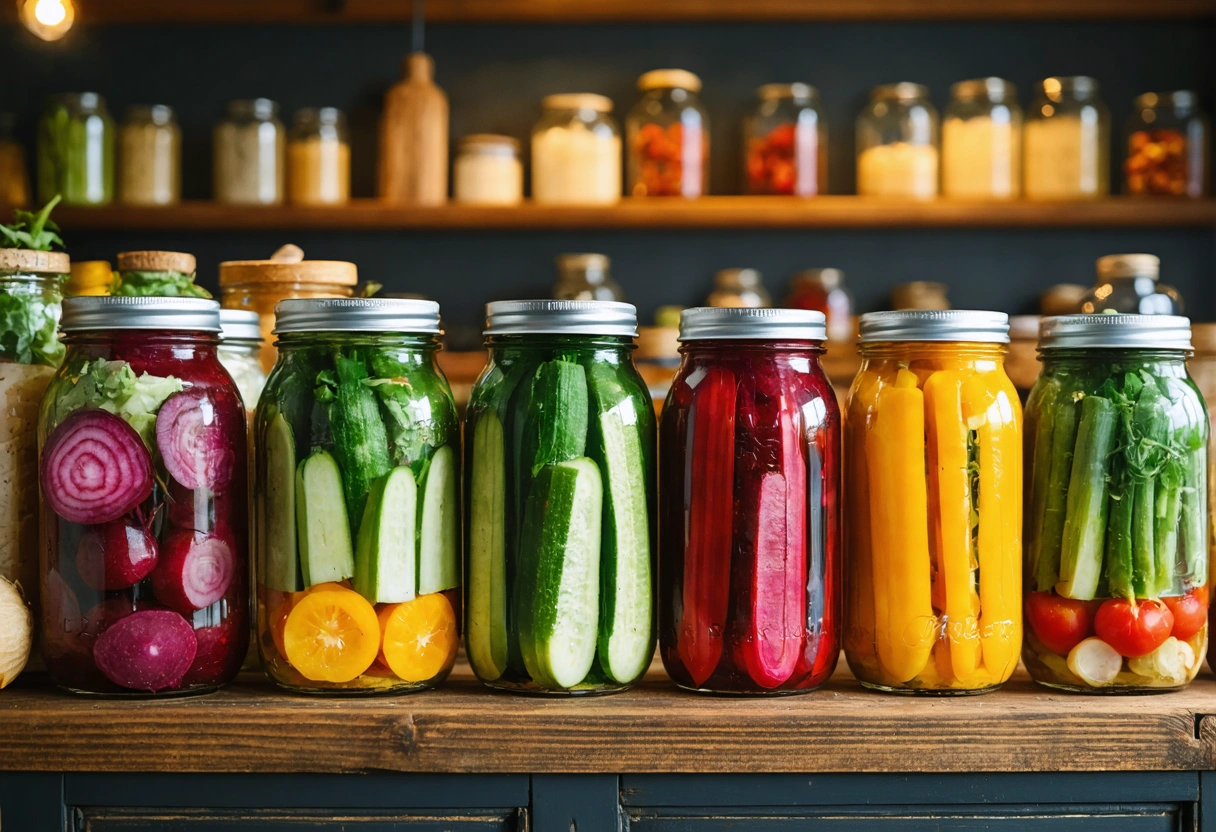
The jar of something fermenting on the kitchen counter is not a new trend. It is a very old practice that Canada's food culture is rediscovering.
The Historical Foundation
Food preservation is inseparable from Canadian history. The country's climate — long, cold winters in most regions; short, intense growing seasons; vast distances between population centres — made the ability to preserve food a matter of practical necessity for Indigenous communities, early settlers, and rural households throughout the country's history.
Indigenous preservation traditions across Canada's regions reflect thousands of years of accumulated knowledge about how to extend the availability of seasonal foods. Dried fish and dried meat — pemmican, the concentrated mixture of dried bison meat and rendered fat used by Plains Indigenous peoples, is perhaps the most famous example — enabled both winter subsistence and long-distance travel. Fermentation was used across regions: wild fermented beverages, fish fermentation practices (particularly among coastal and northern Indigenous communities), and the preservation of plant foods through various methods all predate European settlement.
European settlers brought their own preservation traditions: pickling, salting, smoking, curing, and fermentation techniques from across the continent. The influence of French, British, German, Eastern European, and later Asian and other immigrant food cultures have all contributed to a Canadian preservation landscape that is unusually diverse.
What Fermentation Actually Is
Fermentation is the transformation of food through the metabolic activity of microorganisms — primarily bacteria and yeasts. The process changes the chemical composition of the food, typically producing acids and gases as byproducts, which affect flavour, texture, and preservation quality.
The most familiar fermented foods in the Canadian context include:
Sauerkraut and kimchi: Both are produced through lacto-fermentation of cabbage (and other vegetables in the case of kimchi), using naturally occurring lactic acid bacteria. Salt draws liquid from the vegetables and creates an environment where these bacteria thrive while inhibiting the growth of harmful organisms. The result is sour, complex, and stable at room temperature for extended periods.
Vinegar pickles: These use acetic acid (vinegar) rather than lactic fermentation to preserve vegetables. They are shelf-stable and produce a consistent result, but they lack the probiotic content of lacto-fermented products and have a sharper, more one-dimensional flavour profile.
Sourdough bread: Produced by lactic acid bacteria and wild yeasts in a starter culture, sourdough has experienced a significant revival among Canadian home bakers over the past decade. The fermentation process produces organic acids that contribute to flavour and may affect digestibility.
Cheese and yogurt: Both products of dairy fermentation, and both areas of growing artisan production in Canada. According to data from Statistics Canada, Canadian artisan cheese production has grown substantially, with producers in every province now offering products that reflect regional milk quality and maker philosophy.
Kombucha and fermented beverages: Kombucha — fermented sweetened tea — has transitioned from niche health food to mainstream beverage. Canadian producers now operate across the country.
The Science of Safety
The safety of home fermentation is a concern that practitioners take seriously. Lacto-fermentation — the process behind sauerkraut, kimchi, and most vegetable ferments — is inherently self-regulating: the acid environment produced by the fermenting bacteria inhibits the growth of pathogens. When done correctly, with adequate salt and proper submersion of the vegetables below the brine level, lacto-fermentation is very safe.
Low-acid foods preserved without fermentation or sufficient acid — particularly low-acid vegetables and proteins in anaerobic (oxygen-free) environments — carry greater risk, specifically of Clostridium botulinum toxin production. Home canning of low-acid foods requires either a pressure canner (which achieves temperatures sufficient to destroy botulinum spores) or acidification (adding sufficient vinegar to bring the pH below 4.6). Health Canada provides guidance on safe home food preservation.
The practical implication: lacto-fermented vegetables and vinegar-based pickles are accessible to beginners; pressure canning of low-acid vegetables requires more attention to technique and equipment.
The Contemporary Revival
The revival of fermentation and home preservation in Canada over the past fifteen years reflects several overlapping trends. An interest in food provenance and control over what enters the household food supply. A growing awareness of the possible gut health implications of probiotic-rich foods (though specific health claims require qualified language, and the science remains an active area of investigation). The practical appeal of using surplus seasonal produce. And the craft and sensory satisfaction of making something yourself.
Urban fermentation workshops and courses have proliferated in Canadian cities. Fermentation supply companies — selling crocks, airlocks, and starter cultures — have found growing markets. Online communities sharing fermentation knowledge have developed significant followings.
The artisan food sector has been a related beneficiary. Producers of traditionally fermented products — naturally leavened breads, farmhouse cheeses, traditionally brined pickles, quality miso — have found audiences willing to pay for quality that industrial production cannot replicate.
Connecting to Indigenous Food Knowledge
For many Canadian practitioners, the contemporary revival of fermentation and preservation is inseparable from a growing awareness of Indigenous food knowledge — much of which was systematically devalued and disrupted through colonisation. The knowledge systems that supported Indigenous preservation practices represent sophisticated understanding developed over millennia.
Several Indigenous chefs and food knowledge keepers are now working to revive, document, and share traditional preservation techniques, often in partnership with cultural organisations and educational institutions. This work is both a form of cultural reclamation and a practical contribution to Canadian food culture.
Getting Started: The Practical Entry Point
For those interested in beginning fermentation, the lowest-barrier entry point is simple lacto-fermented vegetables. The basic process — shredded cabbage, sea salt (roughly 2% of the vegetable weight), mixed and left to ferment at room temperature for one to four weeks — requires no special equipment, produces a reliable result, and provides immediate experience with the fundamentals of the process.
From that foundation, more complex ferments — kimchi, beet kvass, hot sauces, water kefir — become accessible progressively. The mason jar infrastructure that most Canadian households already possess is sufficient for most beginner applications.
The jar on the counter is not a statement about lifestyle. It is a connection — to the specific vegetables of a specific season, to the microbiological processes that humans have managed for millennia, and to a tradition of Canadian food self-sufficiency that is worth knowing.
EstateVodka covers food, culture, and everyday life across Canada.
Content on EstateVodka may include sponsored material. See our Disclaimer and Privacy Policy. This content is for general informational purposes only and does not constitute professional advice.