Multi-Generational Households in Canada: A Growing Reality
By Sophie Clarke · · 7 min read
The kitchen table has expanded. So has the house — or, more accurately, so has the definition of what a household is and who it contains.
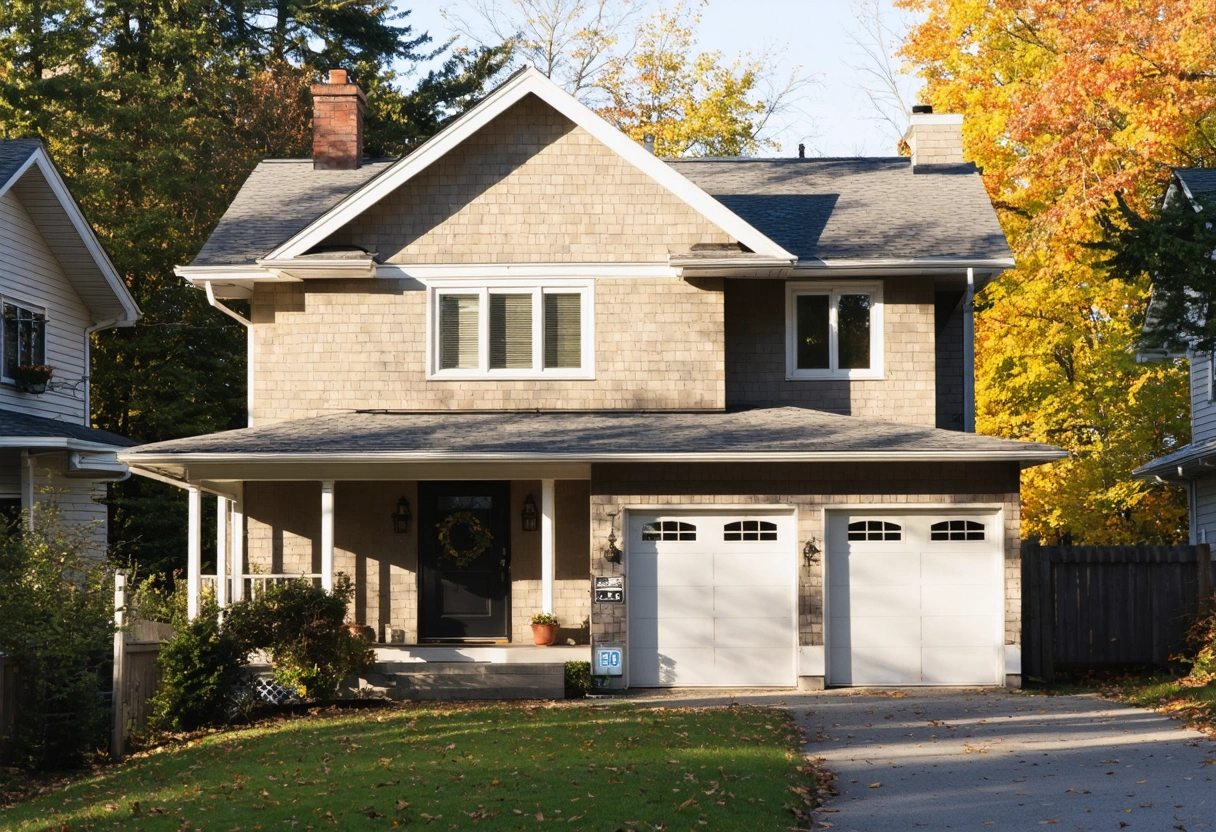
There is a house in a mid-sized Ontario city where three generations now share a roof. The grandparents moved in five years ago, after the grandfather's health required more support than living independently could provide. The arrangement, entered into with some uncertainty, has settled into something that feels, to most of the family members involved, less like a compromise than a rediscovery.
The adult children see their parents every day. The grandchildren have a relationship with their grandparents that their parents never had with theirs. The logistics of childcare, grocery shopping, and school pickup have become more manageable. And the house, which once felt too large when the children were young, has found its purpose again.
This family's experience is not unique. According to data from Statistics Canada, multi-generational households — defined as households containing three or more generations — have been growing in Canada for the past two decades. The growth has accelerated in recent years, driven by a combination of economic pressures, demographic change, and, for many families, a deliberate reassessment of the value of intergenerational connection.
Why the Numbers Are Growing
The drivers behind the growth of multi-generational living in Canada are multiple and intertwined.
Housing costs are the most frequently cited. In major Canadian cities, the cost of maintaining separate households for young adult children and their aging parents has become genuinely difficult for many families. A household structure that allows costs to be shared — whether through formal in-law suites, basement apartments, or simply sharing the main house — makes financial sense in a way that it did not when housing was more affordable relative to income.
An aging population is the second factor. Canada's population is aging rapidly — the first wave of Baby Boomers has now reached their late 70s and early 80s — and the demand for care and support arrangements that don't require institutional placement is growing accordingly. For many families, bringing aging parents into the family home is both a response to care needs and a culturally consistent choice.
Cultural preference is a third factor, and one that the statistics on country of origin illuminate. Multi-generational living is significantly more common among immigrant families from South Asia, East Asia, the Middle East, and Latin America — communities in which extended family structures have long been the norm. As these communities have grown as a proportion of Canada's population, they have shifted the overall household composition data.
What Actually Living Together Looks Like
The reality of multi-generational households is considerably more varied than any summary can capture. The arrangements range from fully integrated households where generations share all spaces and routines, to carefully separated units within the same building that provide proximity without constant overlap.
The in-law suite or secondary dwelling unit — a self-contained apartment within or attached to the family home — has become a common physical solution. These arrangements allow generations to live in genuine proximity while maintaining the private spaces that independent adults, whatever their age, tend to need. The growth in permits for secondary suites in major Canadian cities reflects this demand.
What families report, across varied arrangements, tends to cluster around a few recurring themes. The practical benefits — shared childcare, shared cooking, shared costs — are almost universally positive. The emotional benefits of intergenerational closeness, particularly for children, are consistently reported as more significant than families anticipated before the arrangement began.
The challenges cluster around different expectations regarding autonomy, privacy, and the right to make decisions within a shared space. Grandparents who grew up in households where their word was final on domestic matters can struggle with arrangements where their children are paying the mortgage and setting the terms. Adult children who have been operating their own households independently can find the presence of parents' preferences and opinions more taxing than they expected.
The Question of Equity
Not all multi-generational households are chosen in the same spirit. For many families, the arrangement reflects genuine financial constraint rather than preference — adult children unable to afford their own housing returning to a parental home, or aging parents unable to cover care costs in any other way.
The equity dimensions of this trend deserve attention. Housing policy that treats multi-generational living as a personal choice, and fails to invest in either affordable independent housing or adequate publicly-funded aged care, implicitly transfers costs onto families — and disproportionately onto women, who still carry a larger share of informal care work in most households.
Some provinces have begun to acknowledge this through zoning changes that facilitate the construction of secondary dwelling units, and through modest tax incentives for families providing care to older relatives. But the policy framework remains significantly behind the social reality.
Multi-generational living works best when it is chosen rather than forced — when families have the economic security to structure the arrangement on terms that work for everyone, rather than simply doing what they can afford.
What the Research Suggests
Research on outcomes for families in multi-generational households finds generally positive effects, particularly for children and for older adults. Children in multi-generational households demonstrate stronger relationships with grandparents, often benefit from additional care and engagement, and show positive outcomes on various wellbeing measures. Older adults living with family report lower rates of isolation and, in some studies, better health outcomes than age-matched peers living independently or in institutional settings.
The challenges are real and the research does not ignore them. Conflict, privacy concerns, and the difficulty of renegotiating long-established family dynamics in a shared domestic space are all documented. But the evidence suggests that, for families who manage these challenges — and many do — the multi-generational household is a genuine asset, not a relic of a less individualistic era.
The family with the expanded kitchen table would agree. The arrangement took time to find its rhythm. But they are not looking to go back.
EstateVodka covers family, society, and everyday life across Canada.
Content on EstateVodka may include sponsored material. See our Disclaimer and Privacy Policy. This content is for general informational purposes only and does not constitute professional advice.