Visiting the Maritimes: What to Know Before You Go
By Alex Thornton · · 8 min read
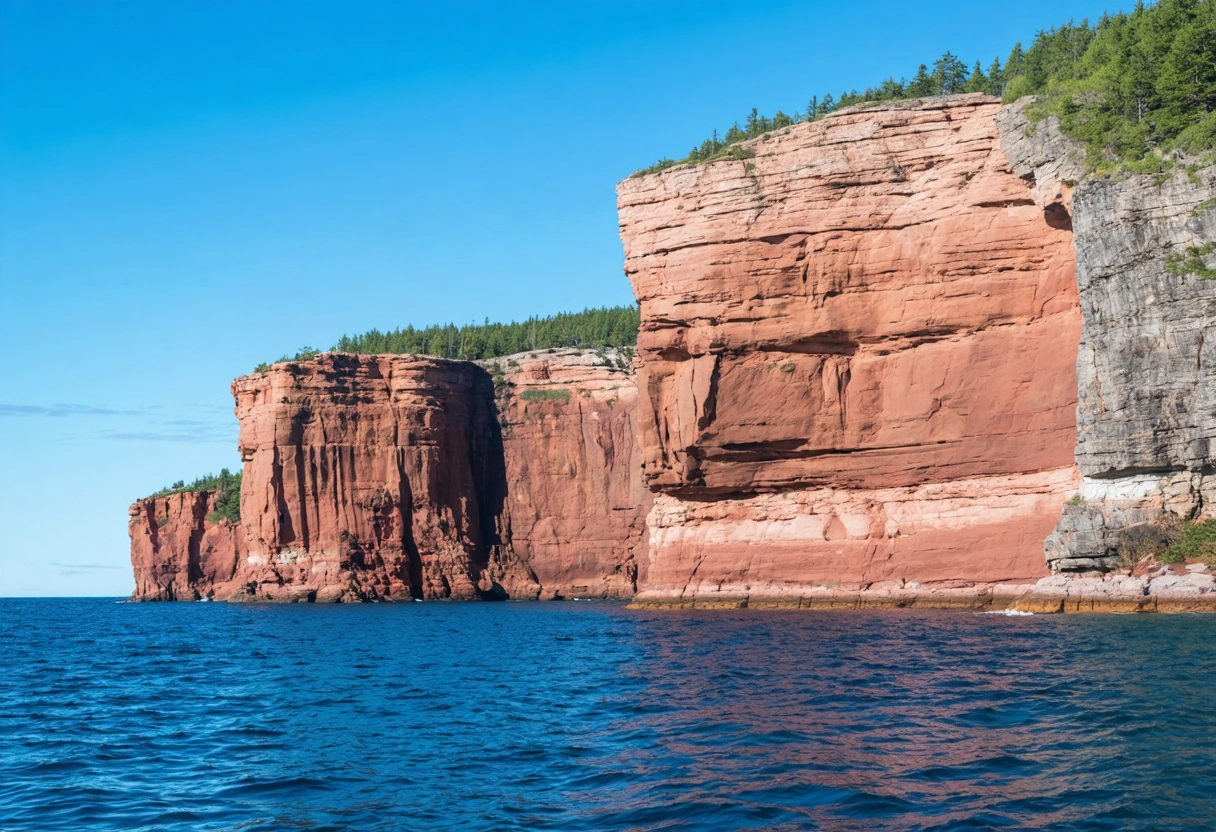
The Maritime provinces share a coast, a history, and an approach to hospitality that distinguishes them from the rest of Canada — but each has a distinct character that rewards separate attention.
Understanding the Maritime Provinces
The term "Maritimes" refers specifically to New Brunswick, Nova Scotia, and Prince Edward Island — the three provinces bordering the Gulf of St. Lawrence and the Bay of Fundy on Canada's Atlantic coast. Newfoundland and Labrador, while also an Atlantic province, is not technically part of the Maritimes and has a distinct identity that warrants its own consideration.
The three Maritime provinces together occupy a relatively compact area — roughly comparable in size to the state of Georgia — but they offer extraordinary internal variety. The scale allows a trip covering all three to be genuinely comprehensive in two to three weeks, particularly for travellers willing to drive the full circuit.
According to data from Statistics Canada, tourism to Atlantic Canada has grown significantly over the past several years, driven partly by international interest in the region's natural landscapes and food culture. The growth has remained manageable relative to the carrying capacity of the region, preserving the qualities — genuine hospitality, uncrowded landscapes, authentic local character — that make it distinctive.
New Brunswick: Two Cultures, One Province
New Brunswick is Canada's only officially bilingual province, with substantial Anglophone and Francophone communities that have coexisted — not always smoothly — for centuries. The Acadian French of northern New Brunswick is culturally distinct from Quebec French, with its own history, traditions, and identity. Understanding this duality helps visitors navigate a province that can feel like two quite different places.
The Bay of Fundy coast is New Brunswick's most celebrated natural feature. The Bay of Fundy has the highest tidal range in the world — the difference between high and low tide at Hopewell Rocks exceeds 16 metres — and the tidal flats exposed at low tide are unlike anything else in North America. The shorebird migration that passes through the Bay of Fundy each August is one of the great wildlife spectacles on the continent, with several million shorebirds stopping to feed on amphipods exposed in the tidal mud.
Fredericton, the provincial capital, is a compact, walkable city with a strong arts infrastructure unusual for its size. The Beaverbrook Art Gallery holds a collection that includes significant European and Canadian works, including a Turner oil painting that never fails to surprise visitors who encounter it unexpectedly in a small provincial capital.
Saint John, New Brunswick's industrial port city, has an underrated urban fabric — the brownstone commercial architecture of the uptown, the working waterfront — and a food scene that has developed substantially in recent years.
Nova Scotia: A Province Built Around the Sea
Nova Scotia — literally "New Scotland" — is a peninsula connected to New Brunswick by the Isthmus of Chignecto, almost entirely surrounded by water. The province's relationship with the sea has defined everything: its economy, its culture, its food, and its character.
Halifax is the regional capital of Atlantic Canada, a mid-sized city with the energy of a university town (several universities, including Dalhousie and Saint Mary's) and the sophistication of a genuine urban centre. The waterfront has been extensively developed over the past two decades into a pedestrian-friendly corridor of restaurants, markets, and galleries, without losing the working-port character that gives it authenticity.
The Cabot Trail — the 298-kilometre highway loop around Cape Breton Island, Nova Scotia's second-largest island — is one of the great scenic drives in Canada, and one of the few that genuinely merits the superlatives attached to it. The combination of steep sea cliffs, highland plateau, and Bras d'Or Lake scenery, combined with the Celtic music culture of the Cape Breton Highlands communities, makes it consistently the centrepiece of any Maritime itinerary.
The Annapolis Valley, running along Nova Scotia's western interior, is wine and apple country — cooler in character than the Okanagan but producing wines, particularly from varietals suited to Atlantic conditions, that are worth exploring with a visit to the growing number of producers offering tasting rooms.
Prince Edward Island: Canada's Smallest and Most Distinctive Province
Prince Edward Island is Canada's smallest province and the most immediately distinctive. The red iron-rich soil, the pastoral agricultural landscape, the absence of heavy industry, and the coastal character give PEI a coherence — a sense of being a single, legible place — that larger provinces cannot achieve.
The culinary case for visiting PEI is strong and not limited to lobster, though the lobster suppers that operate in church halls and community centres throughout the summer are genuinely worth attending. PEI potatoes — varieties developed over generations for the specific soil conditions of the island — have a flavour that is measurably different from those grown elsewhere, and this difference is apparent in the ubiquitous potato dishes that anchor Island cooking. The oyster culture — particularly the Malpeque oysters that have carried PEI's reputation for decades — is best experienced at source.
Charlottetown, the Island's capital, is pleasant and walkable, with a compact downtown of Victorian commercial architecture, a strong performance arts tradition (the Confederation Centre of the Arts is one of the region's most important cultural institutions), and accommodation options that range from heritage bed-and-breakfasts to larger hotels.
When to Visit
The Maritime tourist season is concentrated between June and October, with July and August representing the peak. The region's climate is genuinely four-season, but winter travel requires preparation for variable and sometimes challenging conditions.
July and August offer the warmest swimming temperatures and the full operation of seasonal attractions, but accommodation is in higher demand and advance booking is important. September is widely regarded by experienced visitors as the ideal time: the temperatures remain comfortable, the crowds diminish, the lobster and fall seafood seasons are at their best, and the fall colour in New Brunswick and Nova Scotia begins to emerge. The light in September in the Maritimes is exceptional.
EstateVodka covers travel, culture, and everyday life across Canada.
Content on EstateVodka may include sponsored material. See our Disclaimer and Privacy Policy. This content is for general informational purposes only and does not constitute professional advice.